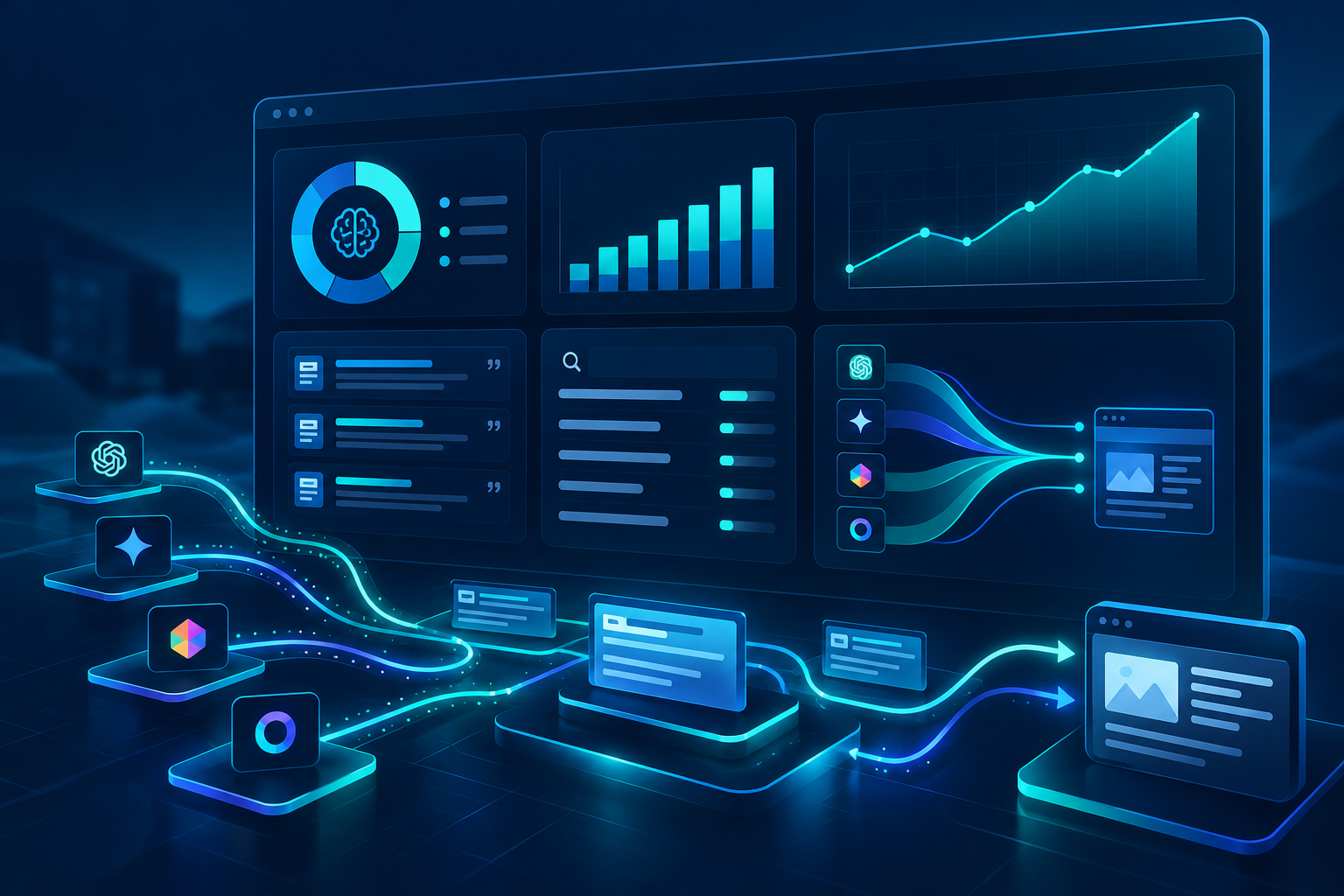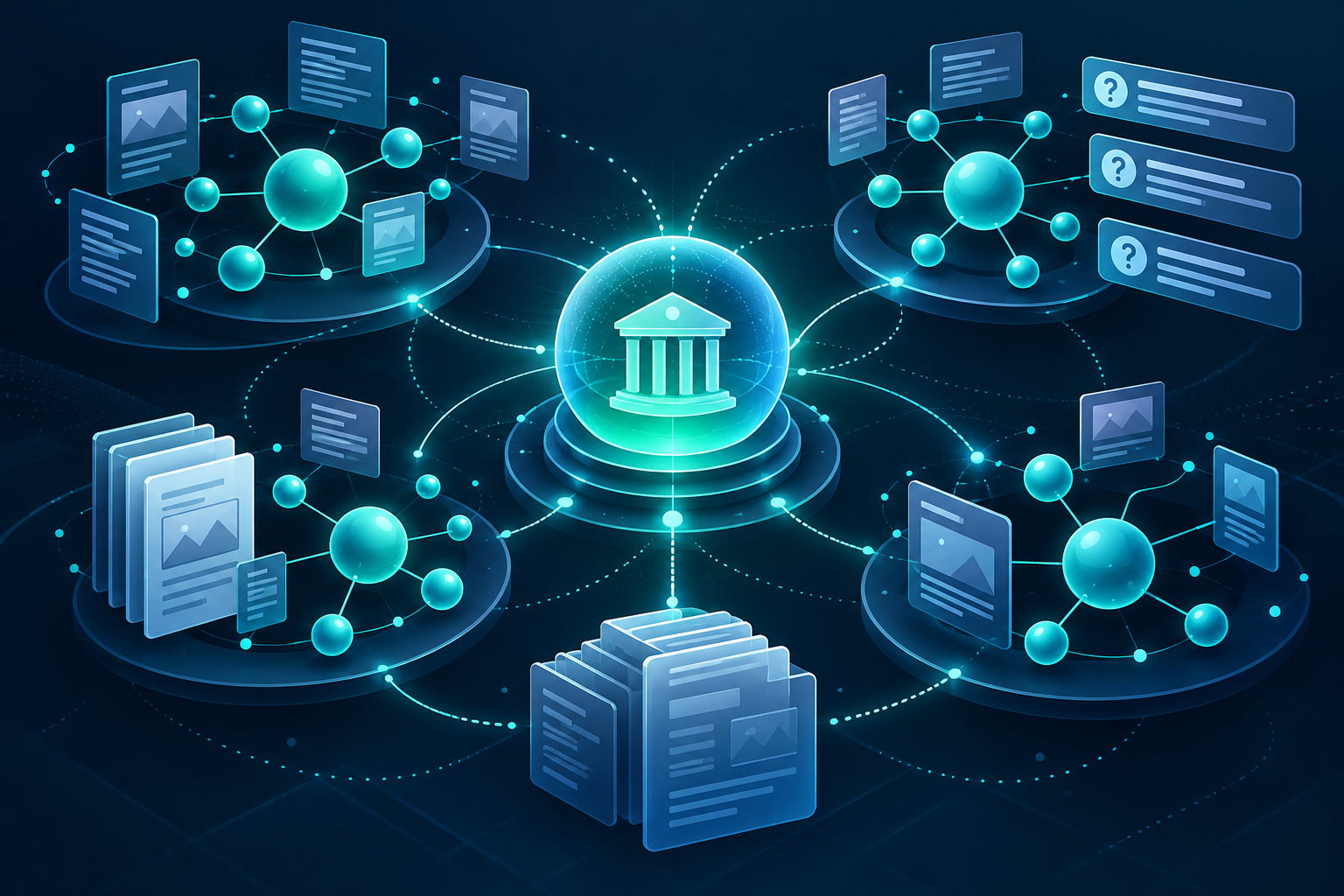

AI workflow automation for B2B teams should begin with a repeatable process that has a clear owner, measurable outcome, and accessible data. A good first workflow may classify inbound work, prepare an account brief, route a service request, or draft an internal handoff. The workflow should combine deterministic rules with AI where judgment or language handling is genuinely useful.
How do you choose the first B2B workflow?
Map the current process from trigger to outcome. Identify the people involved, systems read, records changed, approval points, exception cases, and cost of delay. Prefer work that is frequent enough to learn from but bounded enough to test. A vague goal such as “automate operations” is not a usable product definition.
Which B2B use cases are practical?
- Lead and request classification with transparent routing rules.
- Account research that combines approved CRM and product context.
- Support or service-desk summaries with source links.
- Document intake that extracts fields for human review.
- Drafted follow-up messages and handoffs that a team member approves.
What controls should be designed first?
Define the data boundary, identity model, tool allowlist, validation rules, approval states, retry behavior, and disable path before connecting production systems. Keep read and write operations separate. Make uncertainty and missing information visible so the workflow can ask for help instead of filling a gap with an unsupported answer.
How do you prove the workflow is useful?
Measure outcome quality, routing accuracy, accepted recommendations, escalation quality, blocked actions, latency, and cost. Compare the automated path with the existing process using the same cases. Review errors and exceptions, not only successful runs. The goal is a better, more reviewable process, not a higher automation percentage by itself.
How should B2B teams roll out automation?
Start with internal recommendations or drafts, then add controlled actions after evaluation evidence supports the next step. DeepVention Labs helps teams design AI workflow automation around real systems, clear ownership, and production observability.
Build an LLM GTM system around this topic.
Explore strategy, GEO content, proof architecture, distribution, automation, and visibility measurement.