AI chatbots mainly produce conversational responses. AI agents are application workflows that can decide which approved steps to take, call tools, inspect results, and continue until a bounded task is complete or needs human review. The difference is not simply that one is more intelligent. It is the difference between generating a response and participating in an operational process.
What an AI chatbot does
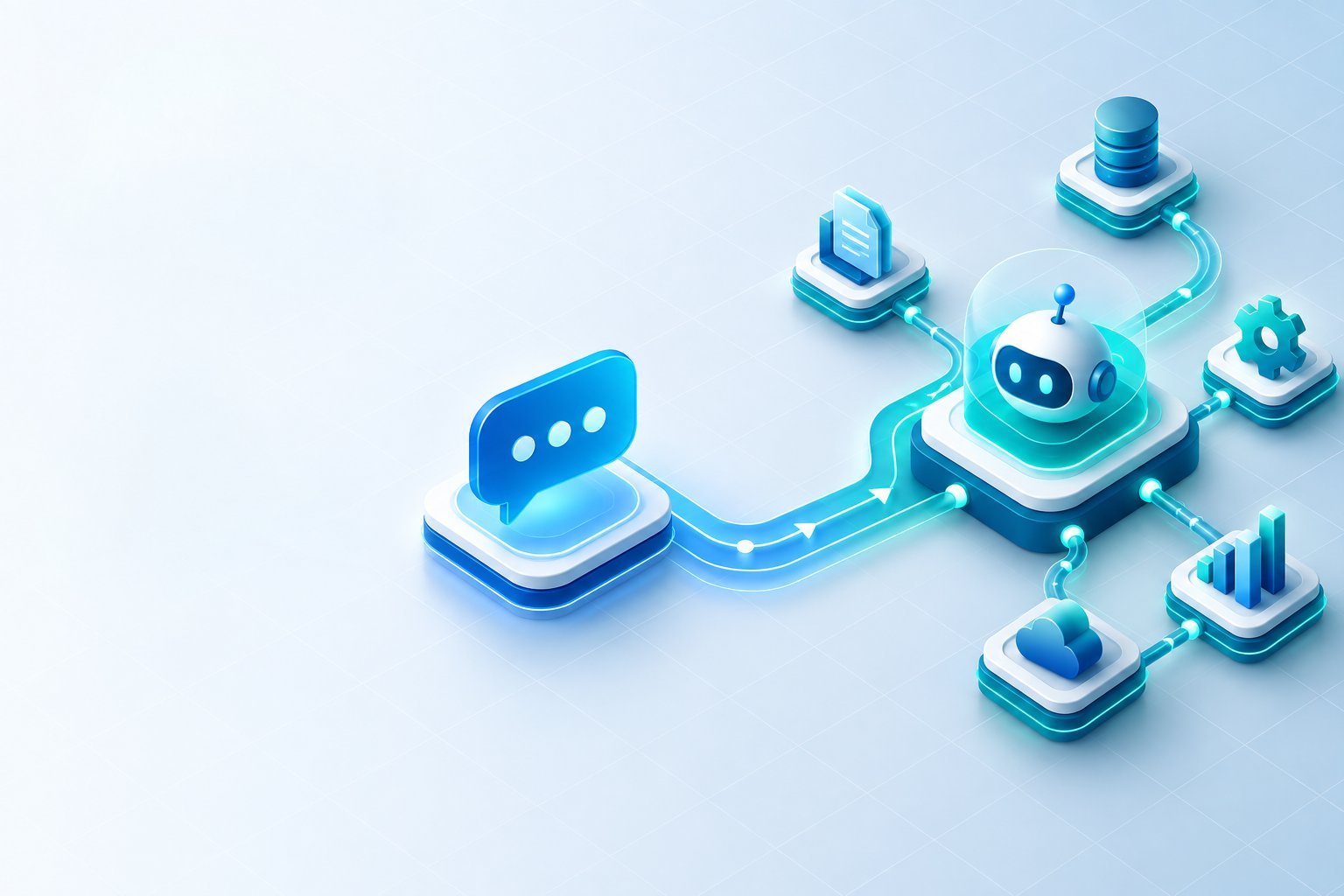
A chatbot receives a message, adds relevant instructions or retrieved context, and returns a response. It may answer questions, summarize information, draft text, or guide a user through a fixed conversation. A chatbot can be connected to a knowledge base, but the surrounding application normally decides what actions are available.
What makes an AI agent different?
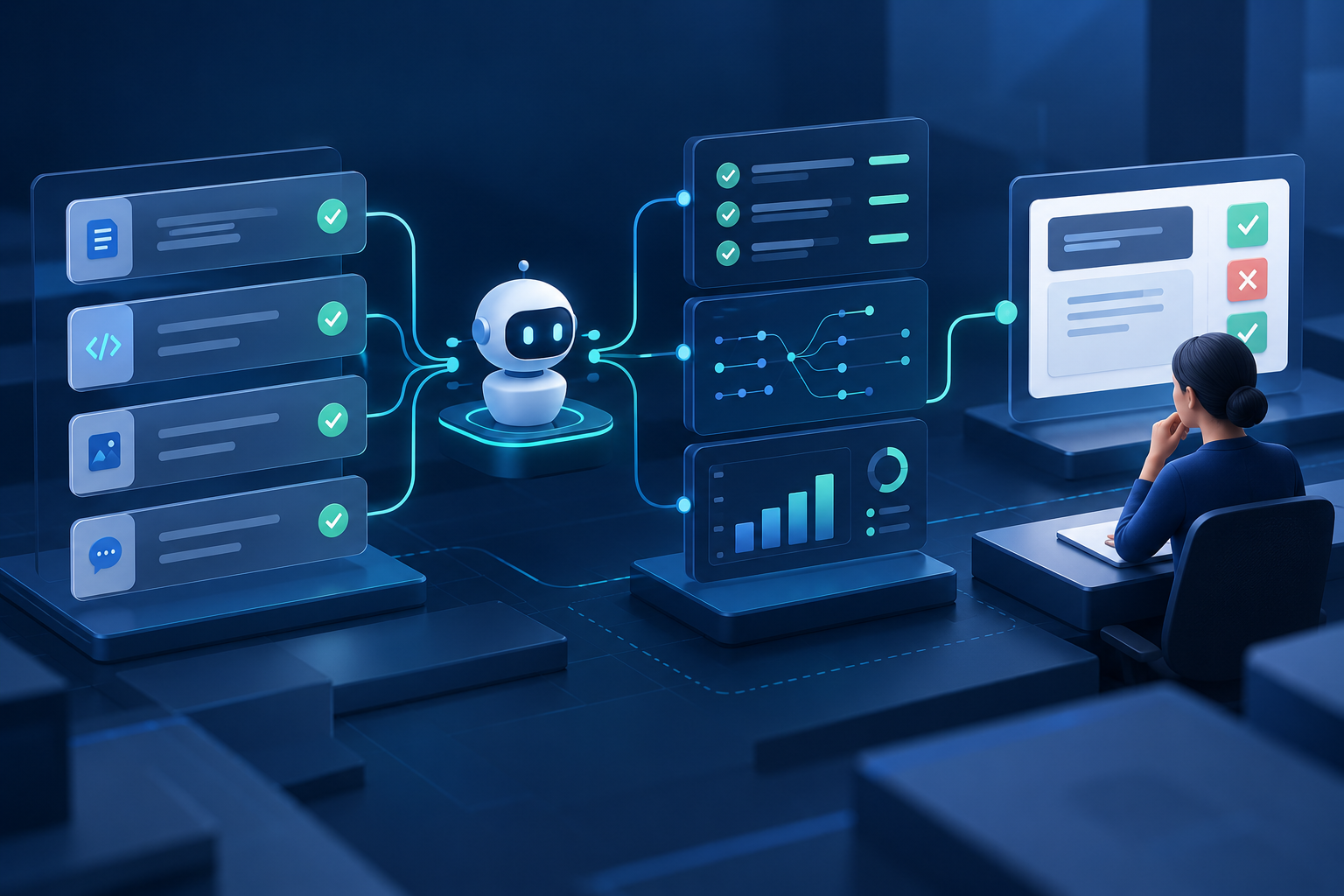
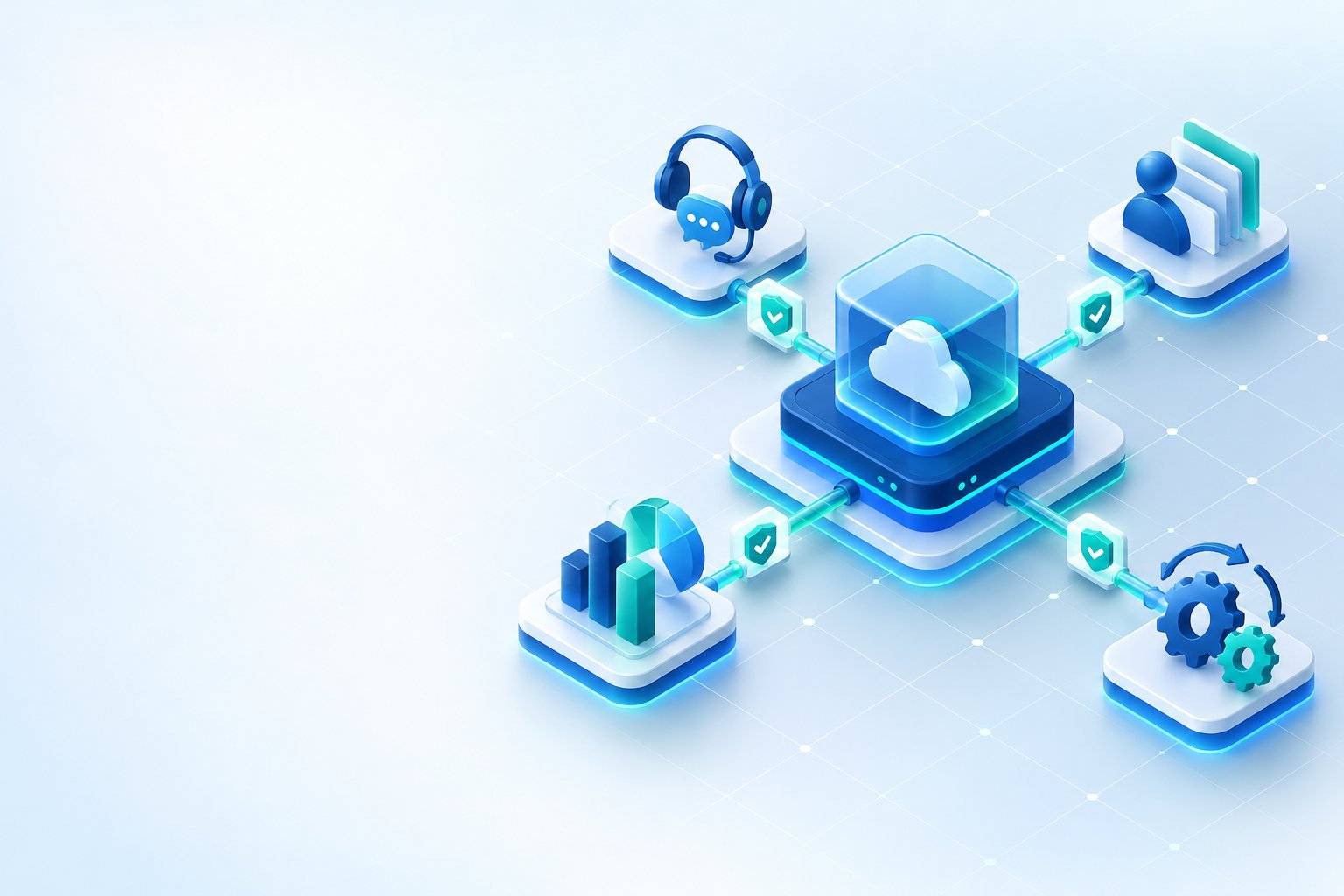
An agent has a goal, a set of permitted tools, and a workflow state. It may look up an account, classify a request, create a draft, call an API, or route an exception. Each action should be constrained by authentication, authorization, typed inputs, timeouts, retries, and an audit trail. A model can help choose the next step, but the application remains responsible for access and execution.
- Chatbot: Optimized for conversation, explanation, and guided responses.
- Agent: Optimized for a bounded task that may require tools, state, and multiple steps.
- Chatbot risk: An inaccurate answer can mislead a user.
- Agent risk: An incorrect decision can change data or trigger an operational action.
When should a business use a chatbot?
Use a chatbot when the primary need is information access, drafting, or low-risk guidance. A support knowledge assistant, internal policy search, or product explainer may not need autonomous execution. A clear escalation path is still important when the answer is uncertain or the request requires a system change.
When does an agent make sense?
An agent can be useful when a repeatable process crosses several systems and the work includes classification, retrieval, decision support, or controlled actions. Start with a narrow workflow such as triaging an inbound request, preparing a case summary, or routing an approved change. Keep high-impact actions behind explicit human approval until the system has evidence that its behavior is reliable enough for the risk involved.
How to choose the safer architecture
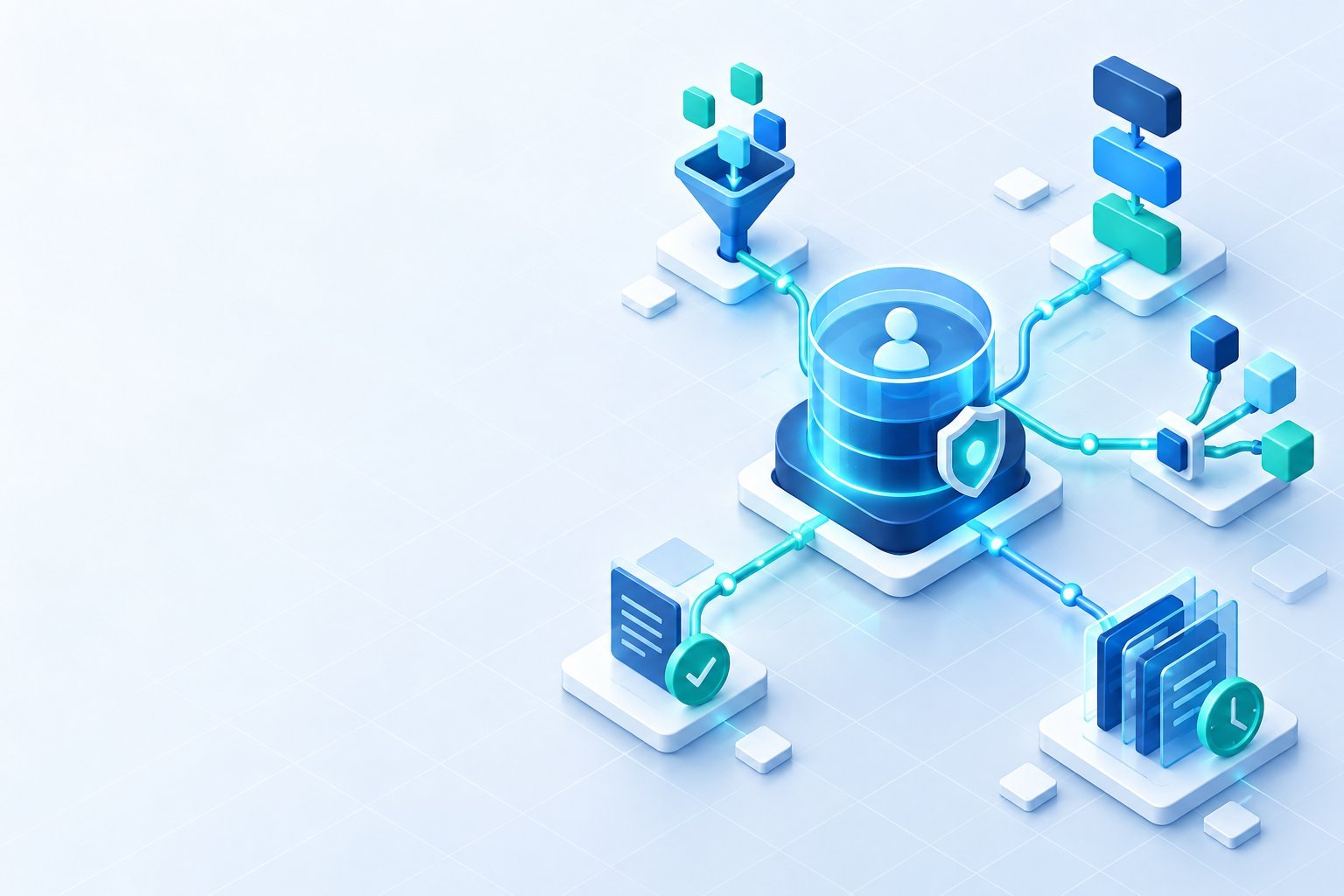
Map the user, data sources, tools, systems of record, and possible side effects before choosing a model pattern. If the workflow only needs an answer, a chatbot may be enough. If it needs action, define the tool allowlist, permission checks, approval states, failure behavior, and evaluation cases first. DeepVention Labs helps teams connect AI to real products and workflows with production AI agent integration, evaluation, observability, and security controls.
Building a system around this problem?
Explore the engineering services behind secure AI agents, intelligent applications, and workflow automation.