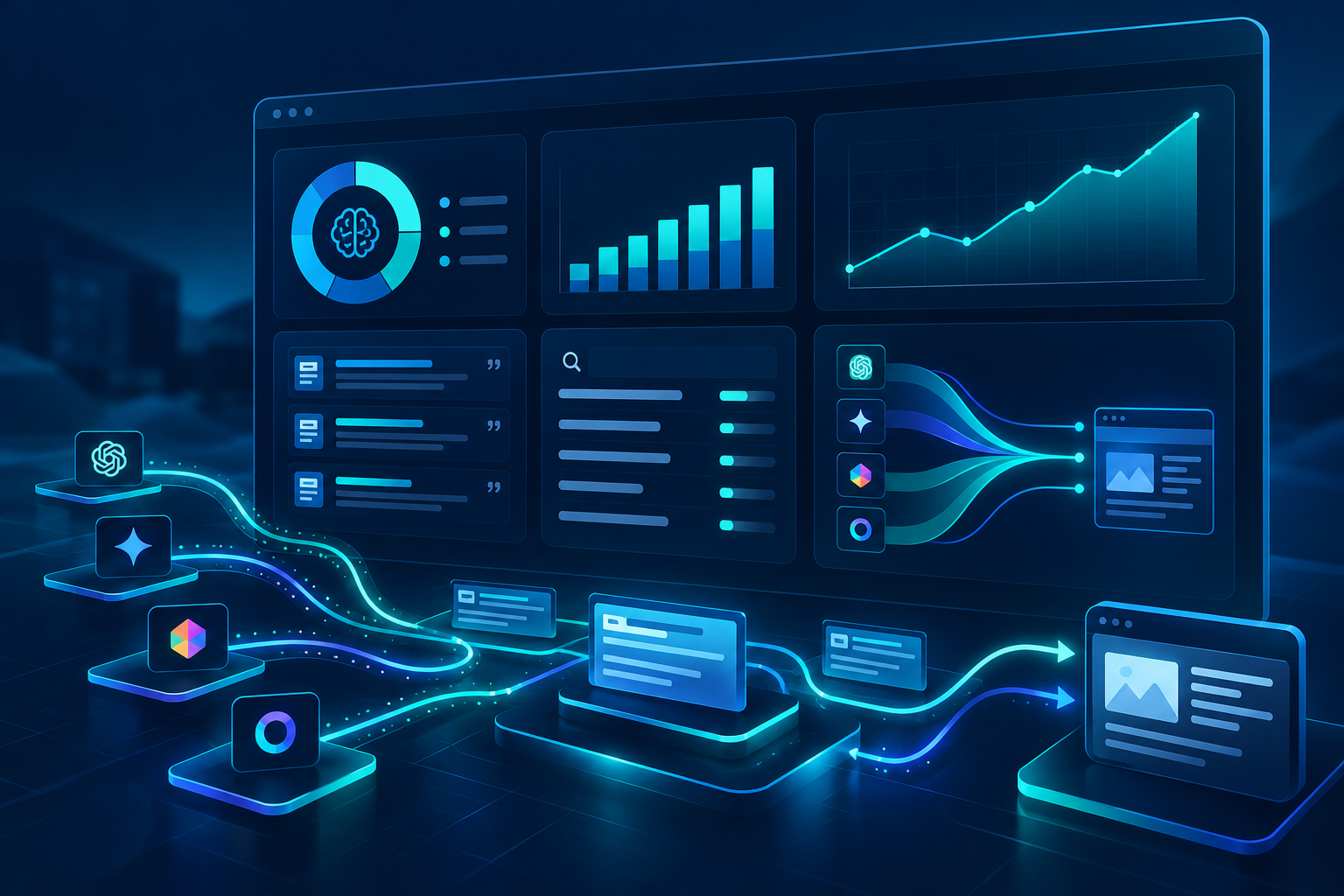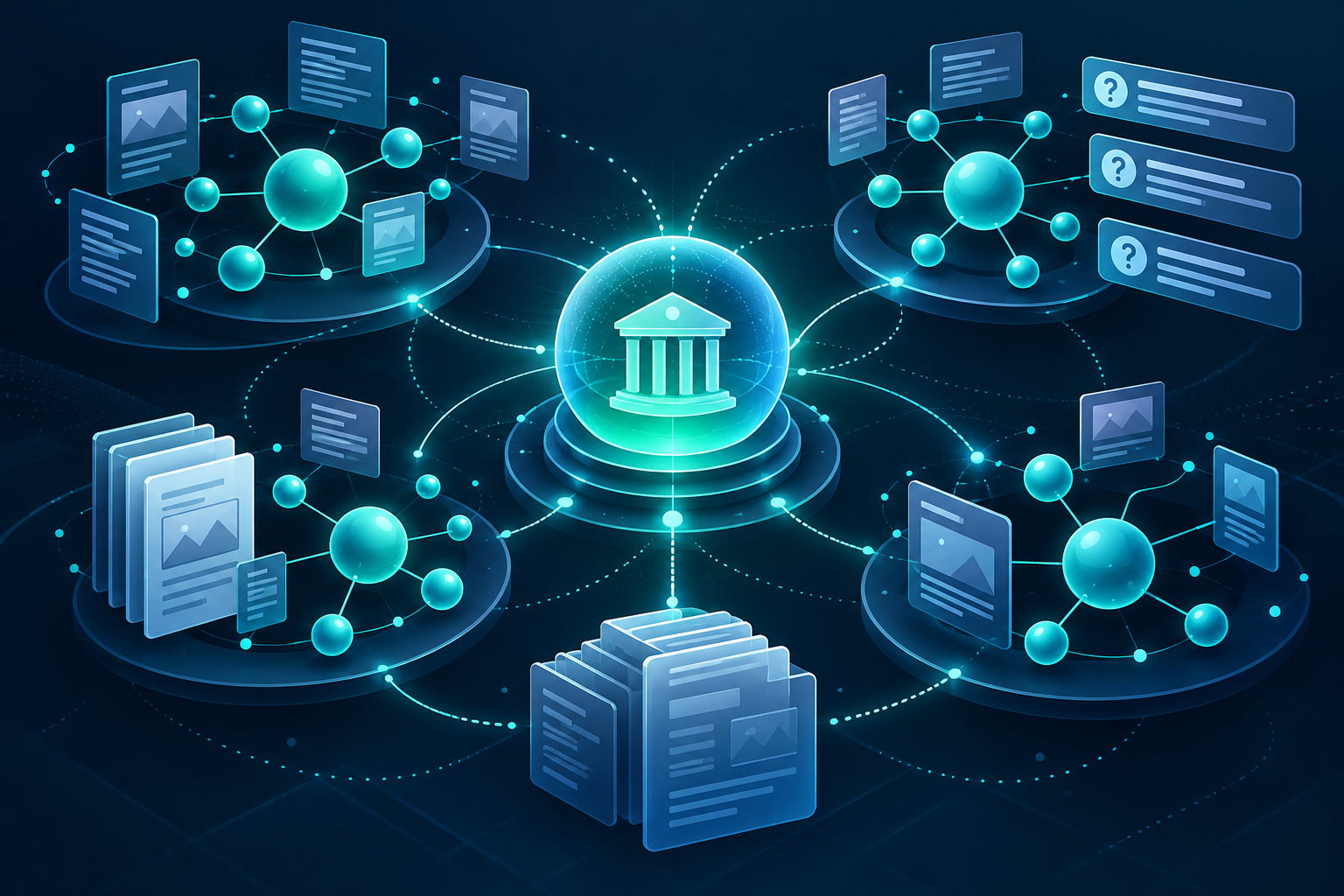

AI automation for IT services is most useful when it helps teams handle repeatable work without bypassing the controls that protect production systems. Good starting points include ticket classification, knowledge retrieval, incident summaries, request routing, change preparation, and draft communications. Actions that affect infrastructure or customer access should remain explicitly authorized and observable.
Start with service work that has a clear owner
Map the request from intake to resolution. Identify the systems of record, the team that owns the decision, the information needed to act, and the failure cases that require escalation. A workflow with stable categories and clear runbooks is usually a better starting point than an open-ended request for an autonomous IT agent.
Useful IT services automation patterns
- Ticket triage: Classify requests, identify urgency, and route them to the correct queue.
- Knowledge assistance: Retrieve relevant runbook steps and cite the source for the technician.
- Incident briefing: Summarize alerts, recent changes, symptoms, and open questions.
- Change preparation: Draft a change plan, checklist, or rollback note for a qualified reviewer.
- Request follow-up: Detect missing information and prepare a clear response for approval.
Keep production actions behind policy
Do not treat an agent suggestion as a production authorization. Authenticate the caller, verify the target environment, scope the available tools, validate parameters, and record the decision. Require a human approval state for actions where an error could cause an outage, data exposure, financial impact, or customer disruption. Re-check permissions and system state when the approved action begins.
Measure reliability and operational value
Track routing accuracy, time to useful handoff, runbook grounding, escalation quality, blocked actions, duplicate events, latency, and cost. Inspect exceptions instead of optimizing only for automated volume. A safe workflow may intentionally stop and ask for a specialist when the evidence is incomplete or the requested action is outside its authority.
Build around the existing IT environment
AI automation should fit existing identity, ticketing, monitoring, secrets, deployment, and audit practices. DeepVention Labs helps IT services teams connect AI to approved systems through workflow automation, secure tool boundaries, evaluations, and production observability.
Build an LLM GTM system around this topic.
Explore strategy, GEO content, proof architecture, distribution, automation, and visibility measurement.