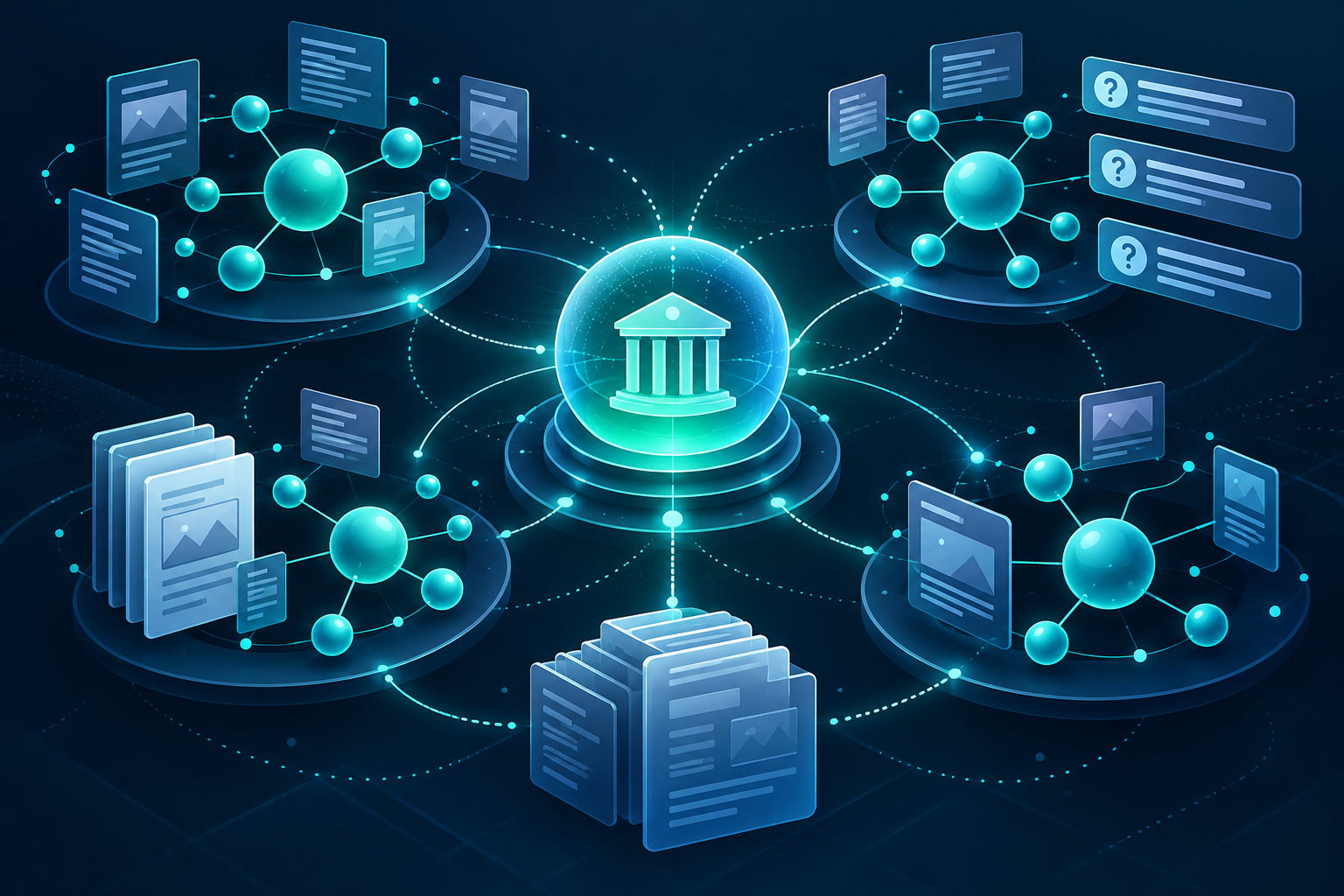
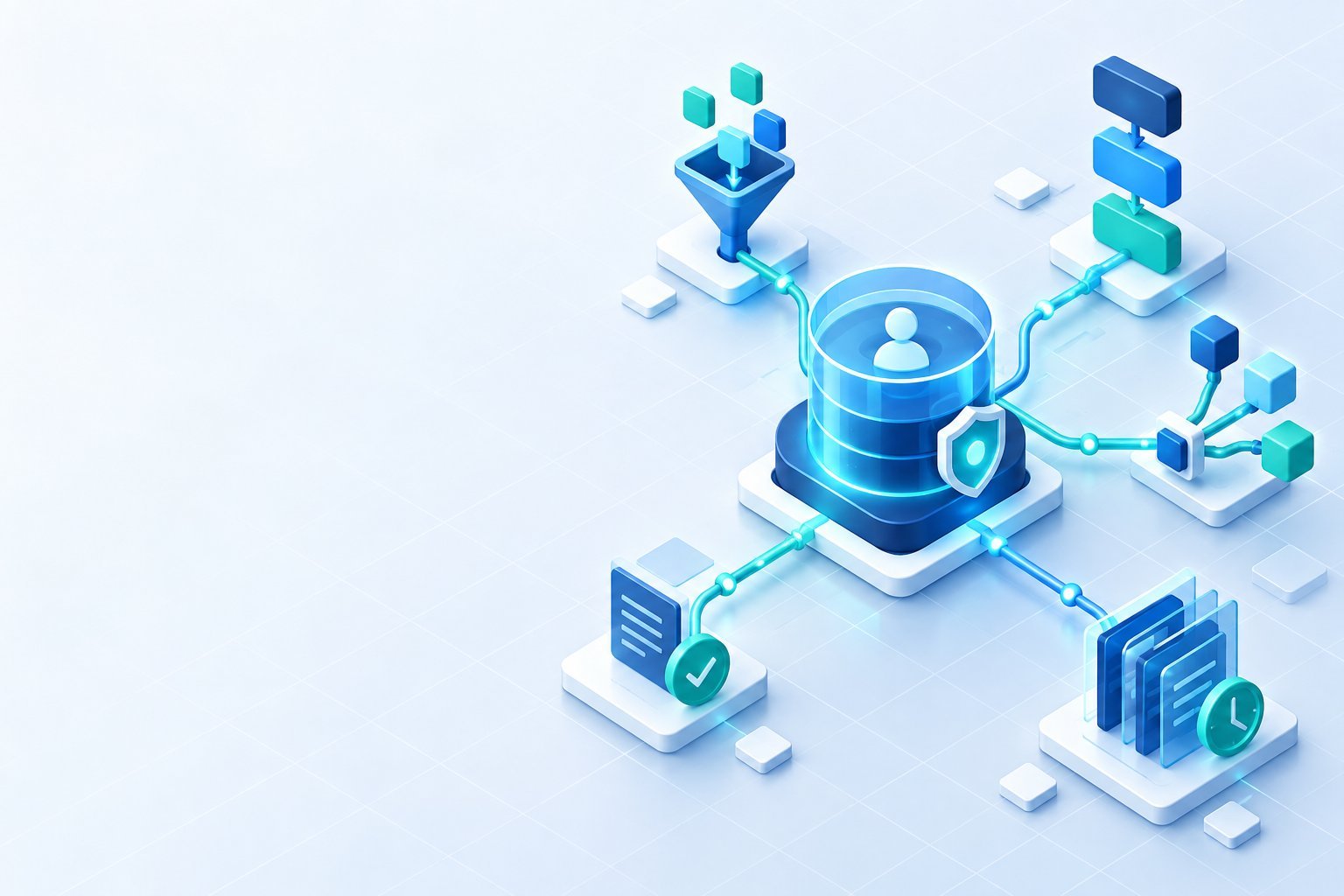
AI and CRM automation works best when the model is placed inside a controlled workflow. The AI can summarize account activity, classify inbound requests, suggest next steps, or prepare a record update. The CRM integration must still enforce tenant boundaries, field-level permissions, validation, approval requirements, and duplicate protection.
Start with a narrow CRM decision
Choose one decision that is currently slow or inconsistent. Examples include routing a new lead, preparing an account brief, identifying a missing follow-up, or extracting structured details from an inbound request. Define the expected output and the person who owns the final decision before connecting an AI tool to the CRM.
Separate context from authority
Account context helps a model produce a useful recommendation, but context does not grant permission to change the account. The application should authenticate the caller, check the user and tenant, select the minimum required fields, and authorize each action independently. A prompt or agent instruction should never be the only control around a CRM write.
Make CRM tools small and explicit
- Use separate read and write operations.
- Define typed inputs and reject unknown fields.
- Require idempotency keys for actions that may be retried.
- Return stable success, pending, rejected, and failed states.
- Log the actor, tool, record, policy decision, and result without copying unnecessary sensitive data.
Plan for failures and human review
CRM data can be incomplete, stale, duplicated, or contradictory. External APIs can time out, rate-limit requests, or return a changed schema. Define what the workflow does in each case. For a high-impact update, show the proposed change, evidence, affected record, and next action to a human reviewer. Re-check authorization and record state when approval is executed.
Measure more than automation volume
Track routing accuracy, useful summaries, accepted recommendations, duplicate prevention, escalation quality, latency, cost, and unauthorized actions blocked. Review rejected outputs and exceptions as product signals. DeepVention Labs builds AI workflows around real systems with secure tool and integration boundaries, evaluation, and operational evidence.
Build an LLM GTM system around this topic.
Explore strategy, GEO content, proof architecture, distribution, automation, and visibility measurement.