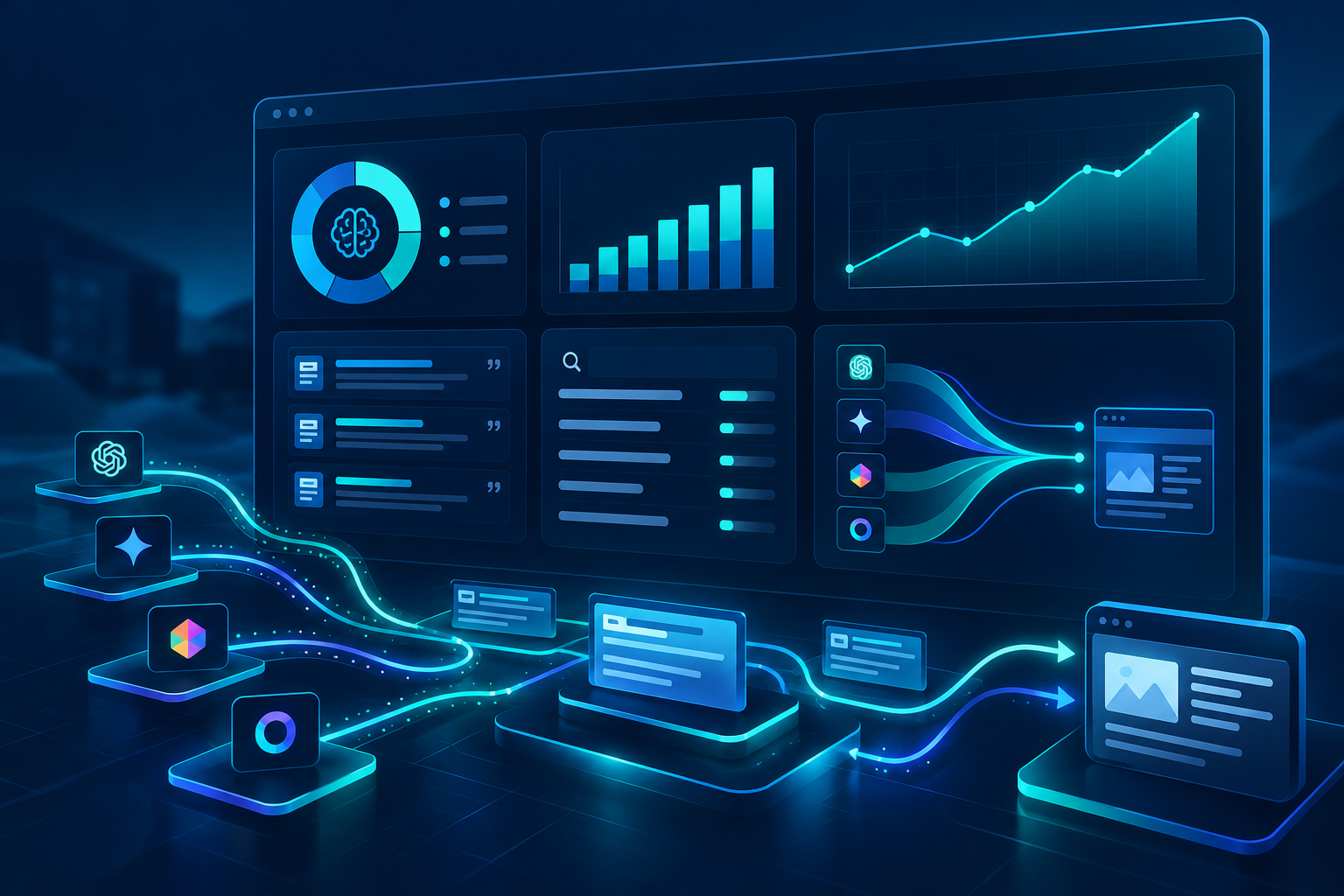
AI product analytics can help a SaaS team move from dashboards to decisions. An analyst or product manager can ask which onboarding step creates friction, which cohort is activating, or why a feature is underused. The answer is only useful when the underlying event model is consistent, the data is permissioned, and a person can trace the recommendation back to real product behavior.
The safest implementation sequence is event quality first, governed analysis second, and automation last. AI should not be used to hide missing instrumentation or turn an ambiguous metric into a confident story. Start with a small set of decisions the product team already owns, then design the events and evidence required to support them.
Define the product decisions
Write the decisions in plain language: Which users complete setup? Where do trial users stop? Which workflow creates expansion? What changed after a release? Each question needs a population, time window, event definition, and owner. This prevents a common failure where teams ask AI to “find insights” without agreeing on what an insight should change.
Use a decision brief with four fields: question, evidence, action, and success measure. If the action is a product experiment, define the target cohort and guardrail metric. If the action is a customer follow-up, define the owner and approved communication channel. AI can accelerate analysis, but product leadership should decide what evidence is sufficient for a change.
Build a clean event model
Choose stable event names, required properties, identity rules, and versioning before adding an AI layer. Record the actor, account, environment, timestamp, source, and relevant product context. Distinguish an event that was displayed from one that was completed. Track failures and retries so an AI analysis does not mistake a screen view for a successful outcome.
- Document the event name and business meaning.
- Define required and optional properties with types.
- Use consistent user and account identifiers.
- Version breaking changes instead of silently renaming fields.
- Mark test, staging, and production traffic separately.
Connect AI to governed data
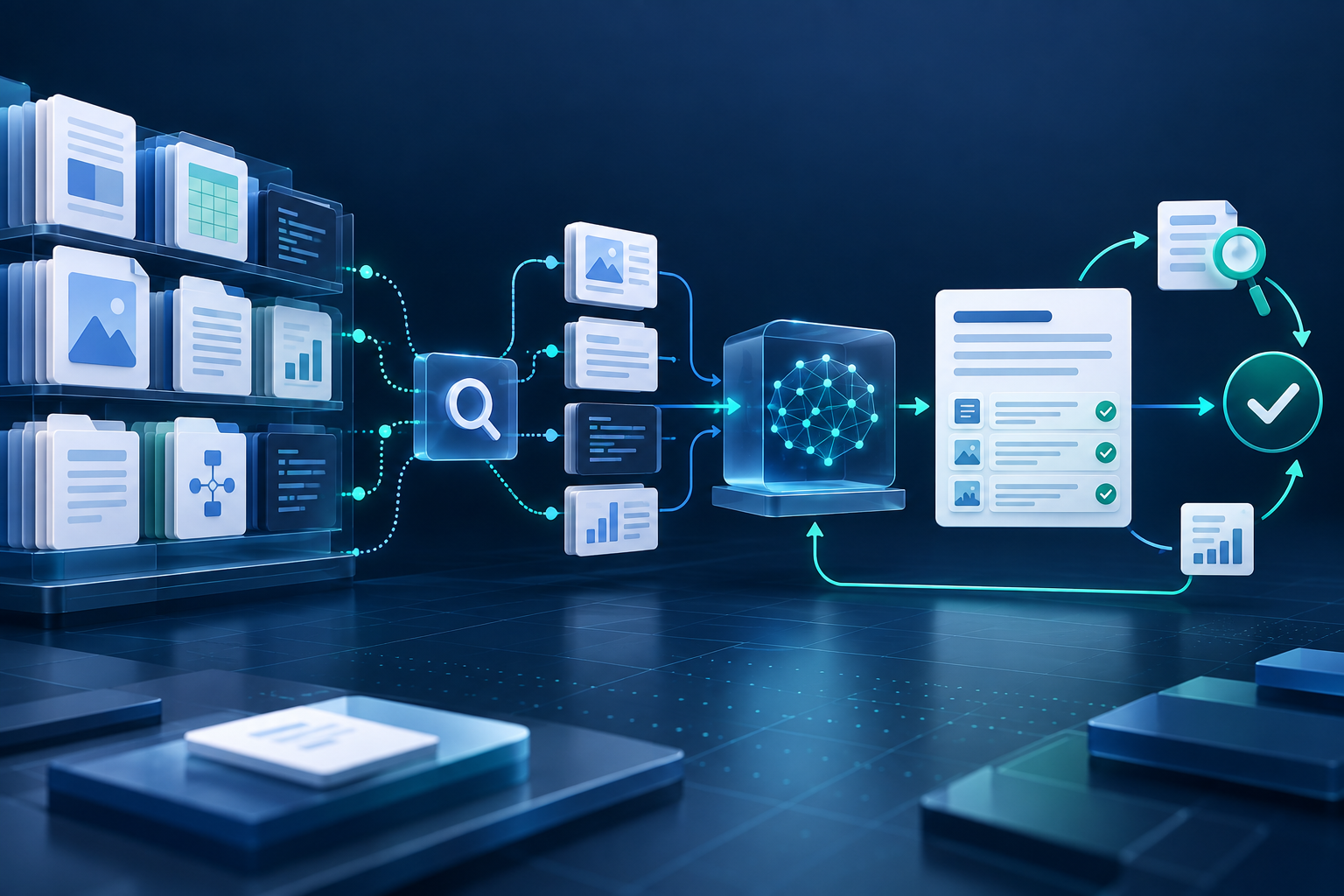
Let the analytics system remain the source of truth. Give the analysis layer read-only access to approved tables, cohorts, and definitions. Use a semantic layer or metric catalog so “activation” means the same thing in a dashboard, a natural-language query, and a weekly report. Redact personal data when the question can be answered with aggregated or pseudonymous information.
When an AI assistant proposes an insight, return the query, filters, time range, cohort definition, and sample size alongside the explanation. If the assistant cannot show how a number was calculated, treat it as a hypothesis. Link to the Amplitude guide and PostHog guide for product analytics platform context, then apply the same governance principles to your selected stack.
Prioritize useful AI analysis patterns
- Friction discovery: compare the intended path with common drop-off and error sequences.
- Cohort explanation: summarize behavioral differences between activated and inactive users.
- Release review: identify changes in adoption, latency, or failure after a deployment.
- Feedback linking: connect approved support themes with in-product behavior.
- Experiment monitoring: flag unexpected movement while a human owns the decision.
Keep the first release assistive. The model can prepare a weekly brief or suggest an investigation, while a product analyst validates the evidence. Automatic alerts should be limited to well-defined thresholds and should link back to the underlying query.
Evaluate accuracy and usefulness
Create a test set from questions the team has answered before. Include empty cohorts, sparse data, changing definitions, bot traffic, timezone boundaries, and events that arrive late. Measure query correctness, definition adherence, citation coverage, analyst edits, time saved, and decisions that changed because of the analysis. A fluent explanation with the wrong cohort is a failed result.
Protect the workflow with permissions, rate limits, and a review step before a generated recommendation changes a roadmap, sends a customer message, or alters a lifecycle segment. Keep the request, query, result, reviewer, and final decision in a durable record.
Make the operating rhythm repeatable
Assign ownership for the event taxonomy, metric definitions, prompt or query templates, and access review. Schedule a weekly or biweekly insight review where product, engineering, and customer teams can challenge the evidence. Remove metrics that do not influence a decision. Treat instrumentation and analysis changes like product changes: document them, test them, and watch for regressions.
DeepVention Labs helps US SaaS teams connect product analytics to reliable workflows through product engineering and systems integration. We can help define event contracts, governed analytics access, evaluation cases, and the handoffs that turn an insight into an accountable product decision.
Roll out instrumentation before intelligence
Instrumentation should be released like a product feature. Start with a small event contract, add automated checks for required properties, and compare production traffic with expected counts. Watch for duplicate events, missing account identifiers, timezone drift, and changes caused by a new client version. An AI assistant cannot repair a taxonomy that changes without a version or owner.
Use a review cadence to retire events and definitions that no longer support a decision. Keep a changelog for metric formulas and cohort rules. When an insight leads to an experiment, link the experiment, release, event changes, and result so the team can distinguish product impact from instrumentation drift.
Avoid confident but unsupported insights
Natural-language analytics is most useful when it exposes its work. Require the assistant to show filters, denominators, comparison periods, and source metrics. Flag small samples and correlation-only findings. Ask an analyst to validate any recommendation that changes a roadmap, pricing, lifecycle campaign, or customer communication. The goal is not to make every product decision automatic. It is to make the evidence easier to inspect and discuss.
Finally, make access proportional to the question. A product analyst may need event-level data, while an executive brief may need only an aggregate. Apply role-based access, redact identifiers in shared reports, and review saved queries for accidental exposure. The same discipline that protects customer data also improves the quality of the analysis because it forces the team to state exactly which evidence supports the decision.
Keep a human owner for the final interpretation. AI can surface a useful pattern, but a product team still needs to understand the customer context, competing explanations, and cost of the proposed change. That owner closes the loop by recording the decision and checking the result after release.
Build an LLM GTM system around this topic.
Explore strategy, GEO content, proof architecture, distribution, automation, and visibility measurement.