LangGraph is a low-level orchestration framework and runtime for building long-running, stateful agents. It gives an engineering team an explicit graph for state, transitions, persistence, streaming, and human decisions. That makes it a better fit for production agents than a prompt-only loop when a run may pause, resume, retry, or hand work to a person. This guide explains the design decisions a US product team should make before adopting LangGraph.
What problem LangGraph solves
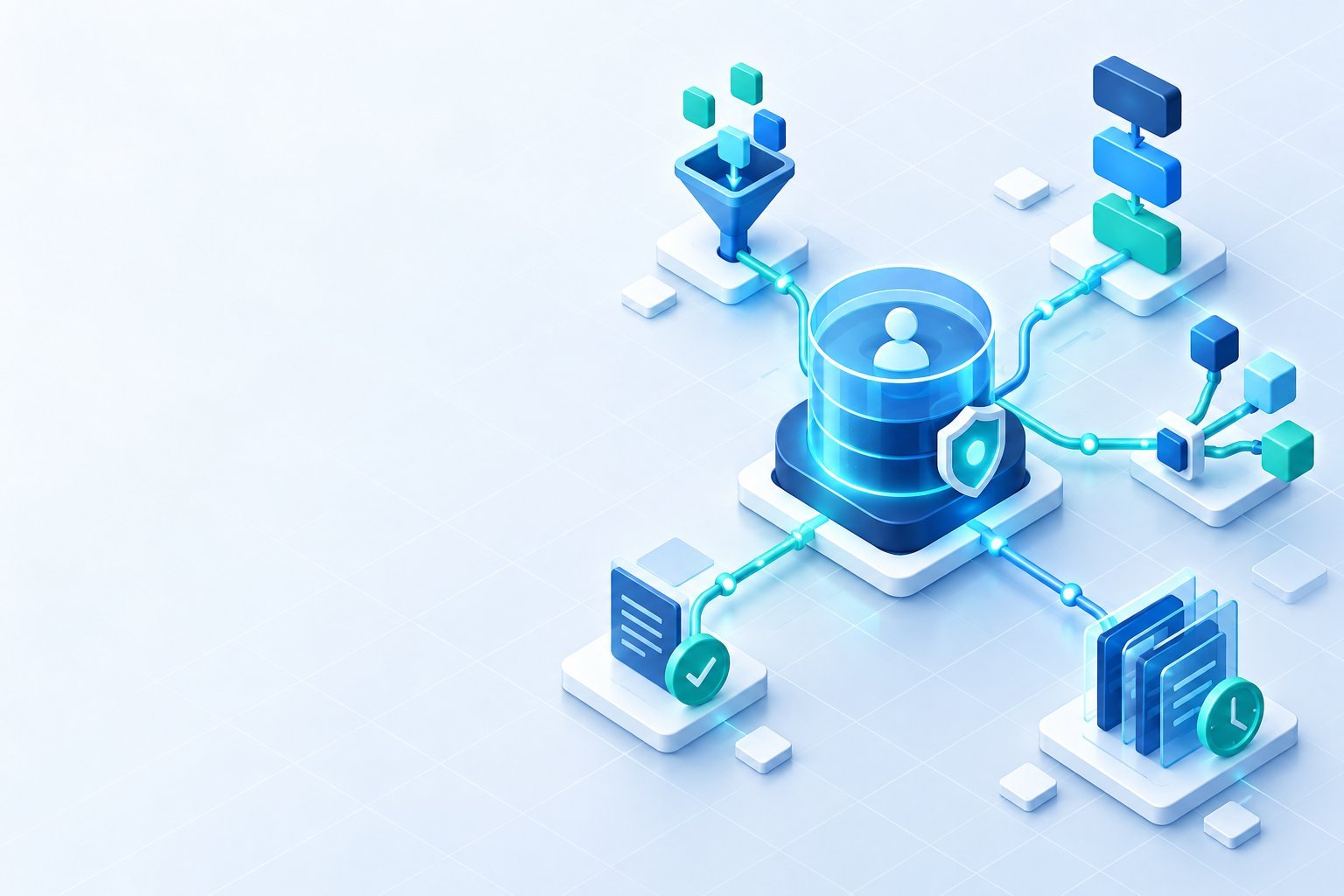
A simple agent can be represented as a loop: read context, call a model, choose a tool, and repeat. Real applications add branching, approval, timeouts, persistence, and recovery. LangGraph lets developers model those concerns as nodes and edges around a shared state. A node can be deterministic application code, a model call, a retrieval step, or a tool invocation. The graph makes the allowed route visible and gives the runtime a place to checkpoint progress.
The official reference describes LangGraph as a low-level framework for long-running, stateful agents with durable execution, streaming, human-in-the-loop, persistence, and memory. These capabilities are useful, but they also mean the team must design the state model and operational boundaries instead of expecting the framework to choose them automatically.
Design the state contract first
Start with a typed description of state. Identify the user request, authenticated principal, retrieved evidence, tool results, pending approval, and final decision. Decide which fields are transient and which must survive a restart. Do not put unbounded conversation history or raw vendor responses into one permanent object. Store references to large artifacts and redact sensitive values before they reach traces or checkpoints. A clear contract makes migrations, tests, and incident reviews much easier.
Map the graph around risk
- Intake and authentication: validate identity, tenant, authorization, and request shape before the agent receives tools.
- Planning: let the model propose a route, but constrain it to known capabilities and budgets.
- Retrieval and tools: isolate untrusted text from instructions and validate arguments before execution.
- Approval: pause before an action that changes records, sends a message, or creates a financial or legal commitment.
- Completion: return a typed result with evidence, uncertainty, and a correlation ID.
- Failure: route timeouts, policy violations, and dependency errors to explicit recovery nodes.
Persistence, threads, and human review
Persistence should answer what a run needs to resume and what the business needs to audit. LangGraph checkpointers can retain thread-scoped state, while a store can hold longer-lived application data. Choose a database and retention policy that match the sensitivity of the workflow. Test a restart between every important node and confirm that a retry does not repeat an irreversible tool call.
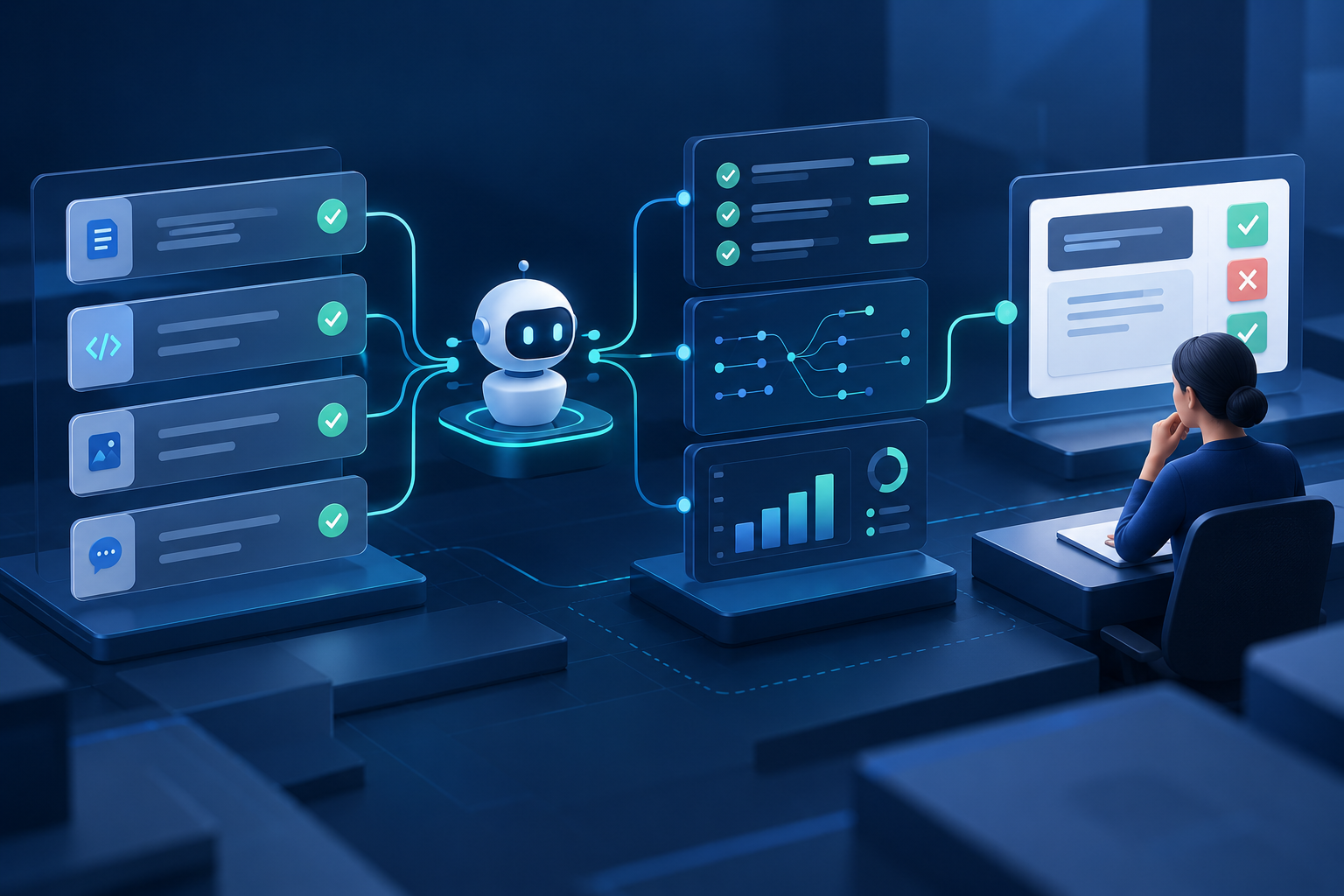
For approval, use a deliberate pause rather than a hidden flag. The official human-in-the-loop guidance shows how an interrupt can stop around a tool call so a person can approve, edit, or provide feedback. Present the proposed arguments, affected records, and evidence to the reviewer. Record the decision and the identity of the approver in the run state.
Tool boundaries and prompt injection
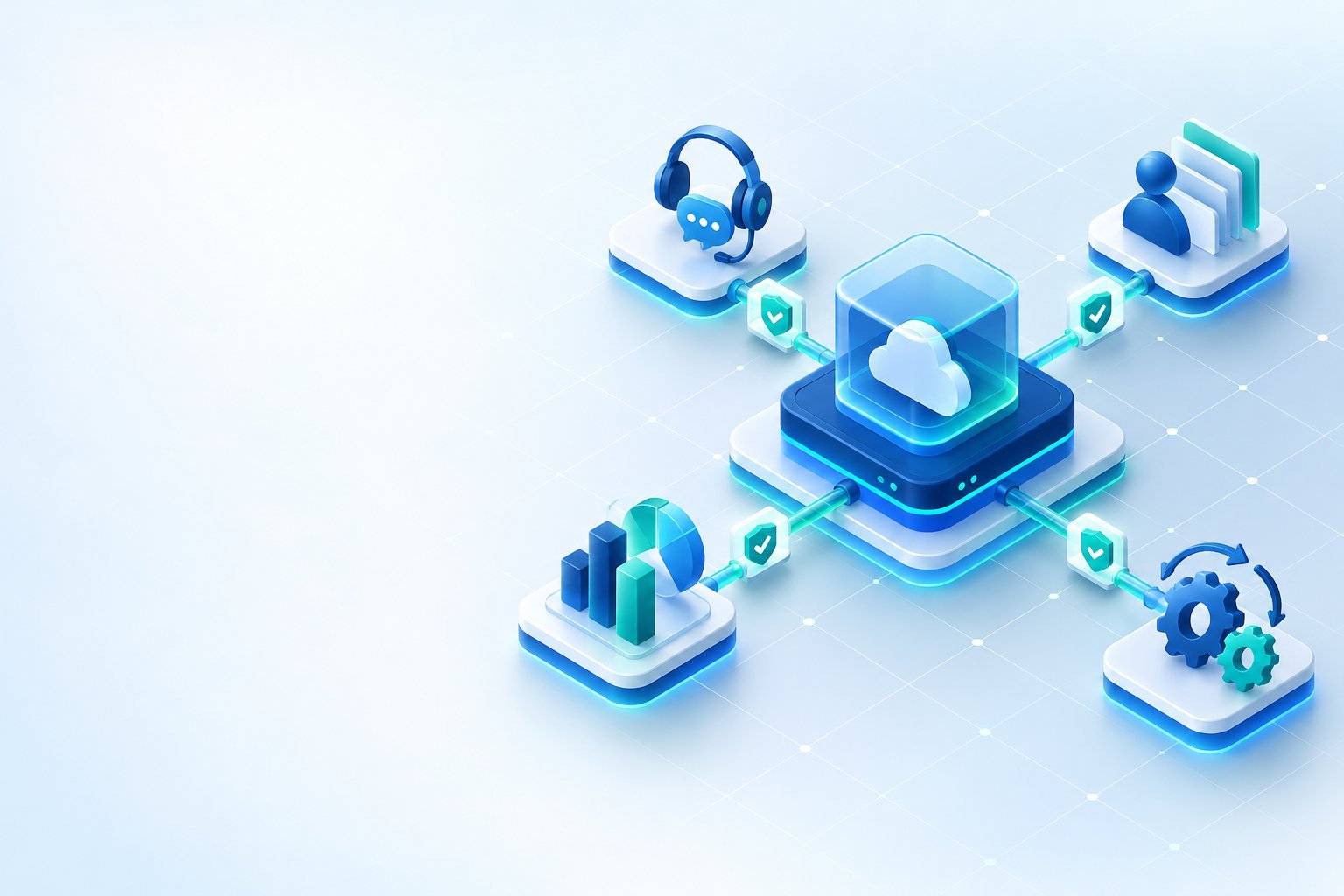
Give each graph node the smallest tool set that it needs. Keep read tools separate from write tools, and put authorization in application code rather than relying on a model instruction. Treat retrieved pages, documents, and emails as untrusted data. Delimit them, label their origin, and test attempts to change the agent’s instructions. A successful response is not evidence that a tool call was safe. Validate IDs, scopes, destinations, and amounts on the server side.
Evaluation and observability
Build an evaluation set before optimizing prompts. Include normal requests, ambiguous requests, missing permissions, stale evidence, tool errors, long context, and malicious content. Score route selection, groundedness, structured output, policy compliance, latency, and cost. Trace every node with a run ID and record model, tool, and graph versions. Monitor stuck threads, repeated transitions, approval wait time, and failure categories. A graph that passes happy-path tests may still be unusable if operators cannot diagnose a stalled run.
When LangGraph is too much
A single deterministic API call does not need a graph runtime. A short retrieval-and-answer feature may be easier to maintain with a small service and a clear timeout. LangGraph becomes more compelling when state must survive, tasks branch, multiple tools are coordinated, or people need to review and resume work. Compare the learning curve and operating cost with the value of explicit control.
A production pilot for US engineering teams
Choose one workflow with a bounded domain and a reversible outcome. Implement the state schema, two or three tools, one approval interrupt, and a failure route. Run it against a fixed evaluation set and then shadow real requests without taking action. Measure completion rate, review rate, time to recover, cost per run, and the percentage of answers that cite usable evidence. Review the design with security and product owners before enabling writes.
How DeepVention Labs can help
DeepVention Labs helps US teams move from an agent demo to a controlled runtime. Our agent integration engineering service can design state contracts, connect tools, add approval boundaries, and establish evaluation and tracing. Use the official LangGraph reference for current APIs, then validate every graph against the data and permissions of your own product.
Questions to answer before launch
Ask what happens when a worker or database restarts between two nodes, whether a reviewer can understand the exact tool arguments, and how a thread is closed when a user abandons it. Confirm the retention period for checkpoints and traces, the deletion path for personal data, and the versioning plan for state migrations. Run a tabletop incident with a poisoned document, a revoked permission, and a tool that returns a partial result. If the team can explain recovery without inspecting model thoughts, the graph is becoming an operable product rather than a clever demo.
Bottom line
LangGraph is a strong choice when an agent must remember state, pause safely, stream progress, and recover from real-world failures. Its low-level nature is a feature for teams that want control, but it makes architecture and testing non-optional. Start with a typed state contract and a narrow graph, then expand only when evidence supports it.
Building a system around this problem?
Explore the engineering services behind secure AI agents, intelligent applications, and workflow automation.