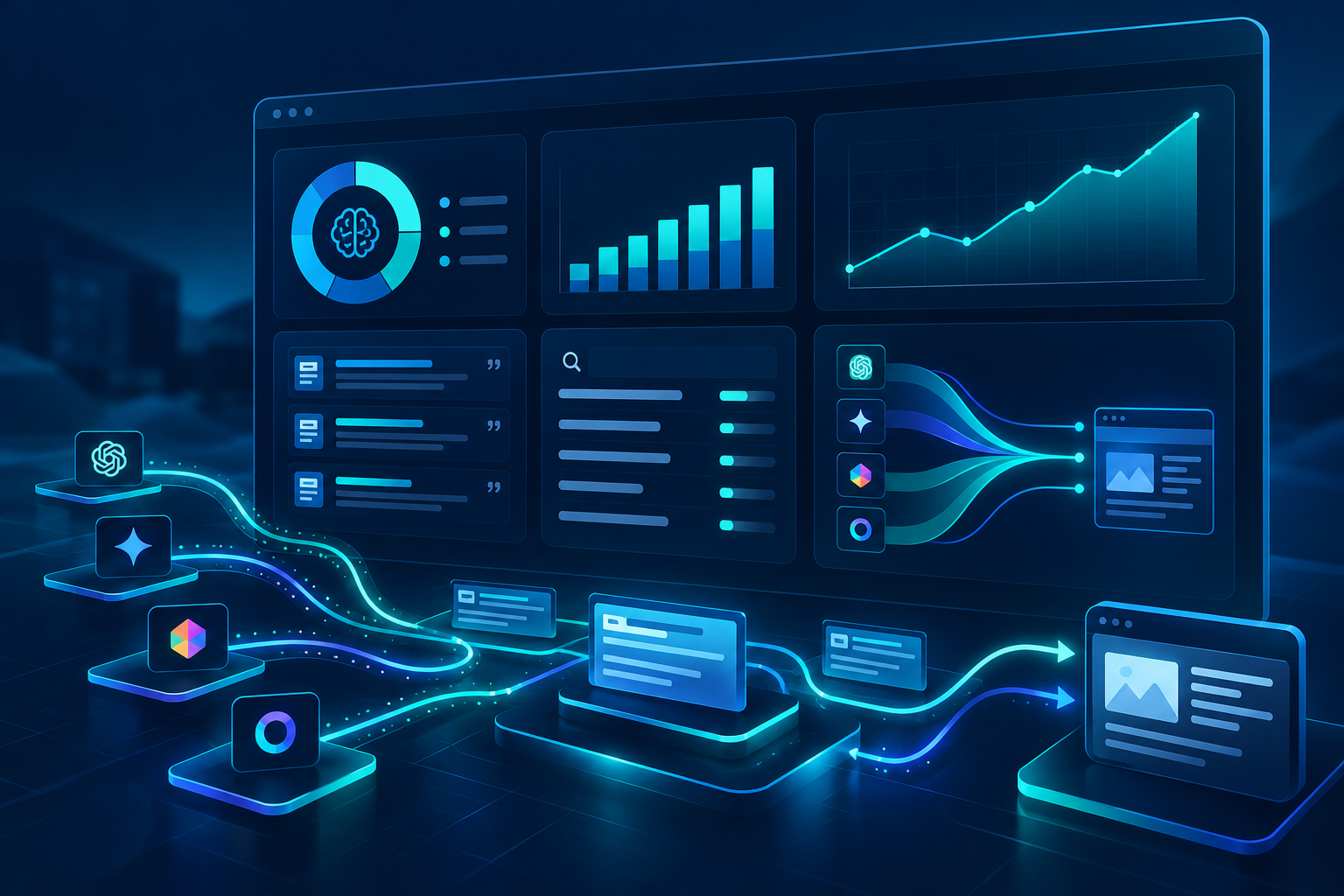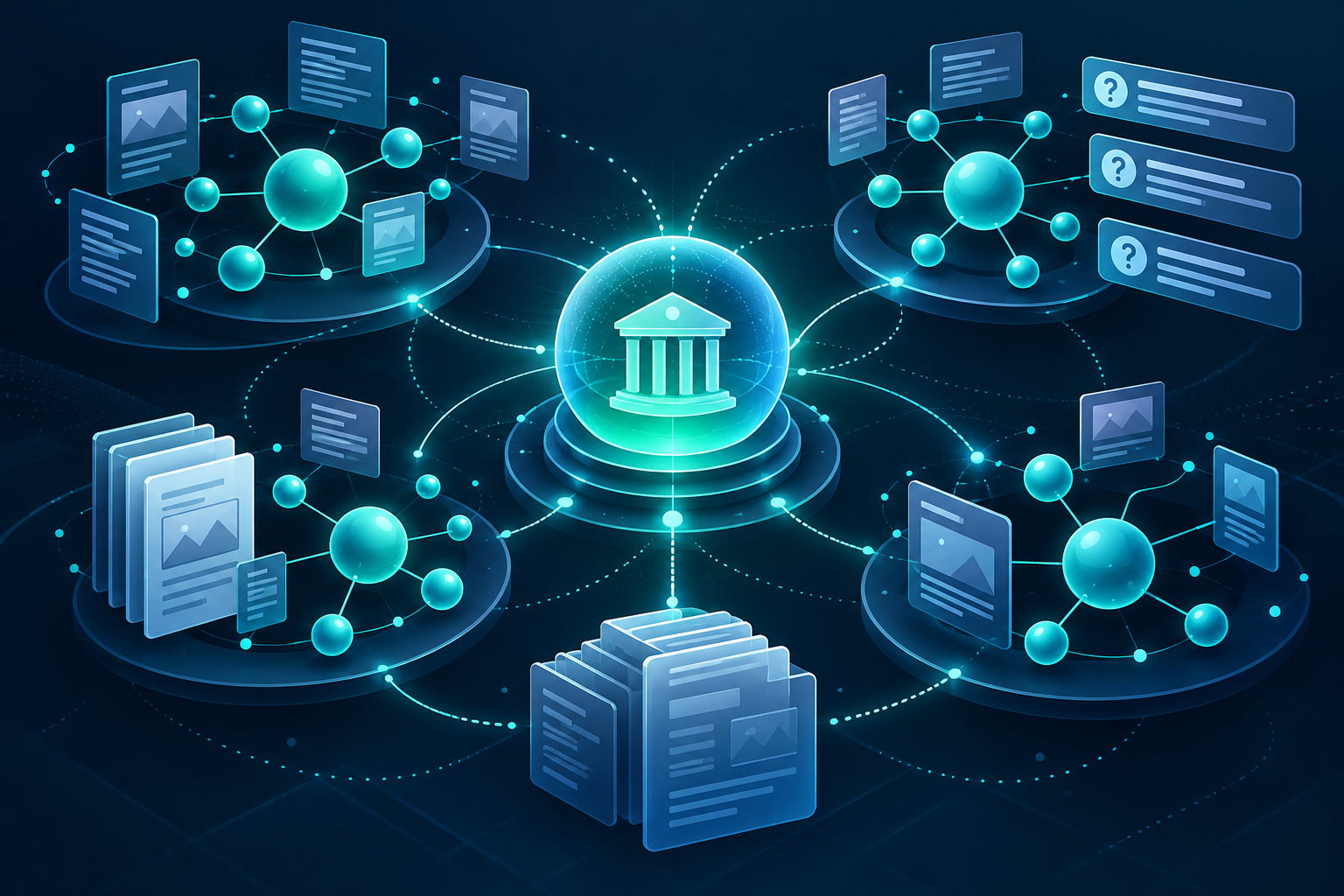

Secure AI automation implementation is a staged engineering process, not a model-selection exercise. The path from pilot to production should establish a bounded workflow, approved data sources, authenticated tools, measurable evaluation cases, useful traces, human oversight, and a way to disable or roll back the system. A compelling demo is evidence of possibility, not evidence of operational readiness.
What should happen before a pilot?
Define the user, trigger, desired outcome, systems of record, data categories, possible side effects, and exception owner. Choose a workflow where success can be observed. Write down what the automation must never do, including unauthorized data access, unapproved writes, and unsupported claims to users.
How should the pilot be isolated?
- Use test or read-only credentials where possible.
- Limit data to approved records and minimize sensitive fields.
- Keep write actions behind a review state.
- Capture traces and failure reasons from the first run.
- Use a versioned prompt, model, tool contract, and evaluation set.
Which gates are needed before production?
Require representative cases, minimum thresholds for critical behaviors, tested permission checks, timeout and retry policies, incident ownership, monitoring, and a rollback or disable path. Use the NIST AI Risk Management Framework as a risk-management reference, then translate relevant controls into the actual application and workflow.
How should the first production release work?
Release to a narrow audience or low-risk workflow, preserve a visible human handoff, and review traces on a defined cadence. Watch for unexpected tool use, retrieval misses, authorization failures, duplicate events, latency changes, and rising cost. Expand scope only when the evidence supports it.
Who owns the system after launch?
Assign a business owner and technical owner for the workflow. They should maintain the data boundary, integrations, evaluation set, alerts, incident process, and release notes. DeepVention Labs helps teams implement AI security guardrails around automation that must remain understandable and maintainable.
Build an LLM GTM system around this topic.
Explore strategy, GEO content, proof architecture, distribution, automation, and visibility measurement.